when choosing cloud services for the cambodia region, "annual cost analysis how much is a cambodian cloud server more suitable for long-term operations" cannot be summarized by a single number. this article will start from the three dimensions of cost composition, influencing factors and optimization strategies, provide an analysis framework for long-term operations, help decision makers establish a comparable annual total cost of ownership model and reduce future uncertainty risks.
the annual cost of a cloud server is composed of multiple components, including computing instances, storage, inbound and outbound traffic, backup and disaster recovery, management and technical support, software licensing and compliance costs, etc. the billing strategies, bandwidth billing and service levels of different regions and suppliers will lead to significant differences in the annual costs of similar resources. therefore, variable items and fixed items should be separately accounted for during evaluation to form a clear cost list.
long-term costs are affected by factors such as business scale growth, performance requirements, resource elasticity, data retention policies, backup frequency, and sla requirements. bandwidth fluctuations and storage growth rates, in particular, can amplify cost differences from year to year. the assessment should simulate different growth scenarios, taking into account traffic peaks and valleys, data lifecycle, and potential compliance or audit requirements to avoid sudden cost increases later on.
in cambodia and southeast asia, network bandwidth and outbound charges are often a part of the annual cost that cannot be ignored. pay attention to the operator's billing unit, excess traffic policy, cdn or acceleration service usage costs, and the impact of local network quality on latency and availability, and incorporate bandwidth optimization and caching and compression strategies into the cost model.
computing instance specifications, auto-scaling strategies, and storage types directly determine running costs. long-term operations should consider using appropriate storage tiering, hot and cold data separation, a combination of object storage and block storage, and selecting long-term discounts or annual and monthly subscription plans based on load to balance performance needs and cost efficiency.
it is recommended to follow the following steps to establish an annual cost model: list all resource items and clarify the billing caliber; define usage assumptions and growth rates; add backup, network, support and emergency costs; conduct scenario sensitivity analysis; and finally calculate the annual total cost of ownership (tco) and unit business cost to facilitate comparison between different solutions.
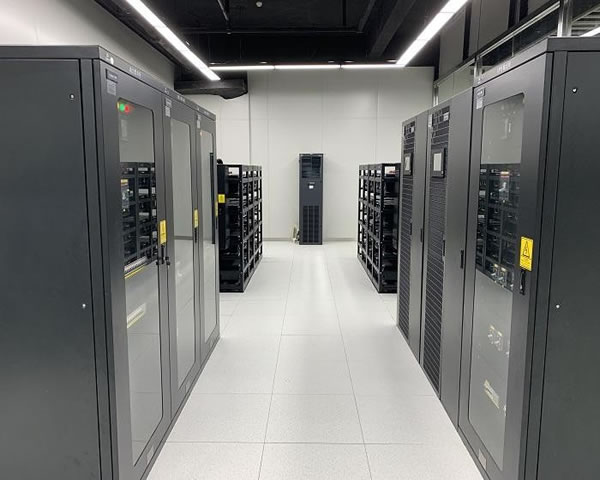
optimization strategies include combining on-demand and reserved resources, weighing performance and cost, implementing automated elastic scaling, adopting data lifecycle management, using caching and cdn to reduce outbound traffic, and continuously identifying waste points through monitoring and cost aggregation. long-term contract negotiations and local partner support can also reduce hidden costs.
compliance requirements, technical support levels and disaster recovery strategies can significantly impact annual expenses. the assessment should consider local data sovereignty, backup and off-site recovery frequency, service response time and after-sales support costs. at the same time, potential downtime risks and recovery costs should be factored into the financial model to ensure that long-term operations are stable and controllable.
when choosing a solution, give priority to comparing annual tco rather than instant unit price, and make a comprehensive judgment based on business scalability, supplier ecosystem, migration difficulty, and support capabilities. it is recommended to conduct a small-scale pilot first and establish a monitoring and cost attribution mechanism. after verifying the assumptions, make capacity and contract adjustments based on the annual model.
for "annual cost analysis, how much is a cambodian cloud server more suitable for long-term operations", the key is to build a transparent tco model and continuously calibrate it. paying attention to bandwidth and storage growth, establishing data tiering and elasticity strategies, introducing automation and monitoring, and considering compliance and support costs can achieve long-term cost control and optimization while ensuring availability.
- Latest articles
- How Small And Medium-sized Enterprises Can Use Vietnam Vps Cn2 To Reduce Overseas Operation And Maintenance Costs
- A Must-read For Technicians: Renting A Server In Cambodia: Essentials Of Network Configuration And Monitoring
- How Can Enterprises Choose The Cheapest Malaysian Vps To Achieve High Availability Within The Budget?
- Singapore Server Circumvention And Proxy Deployment Best Practices For Overseas Access Acceleration
- Compare The Pros And Cons Of Singapore Cn2 Gia And Other Acceleration Solutions From The Perspective Of Operating Costs And SLA
- Website Migration Case Display: Things To Note When Switching Between Free Space And Cloud Server In Hong Kong
- How Korean E-commerce Sites Optimize User Experience And Reduce Bounce Rates
- A Developer’s Perspective On Malaysia’s Google Cloud Server Network And Security Configuration
- Hong Kong Station Group Server Network Security Benefits And Risk Prevention And Control Solutions Brought By Multiple IPs
- How To Know If It Is A Hong Kong Native IP? Common Misunderstandings And Explanations Of Accurate Determination Methods
- Popular tags
-

Understand The Security And Stability Analysis Of Cambodia Vps
in-depth analysis of the security and stability of vps in cambodia to help users choose appropriate vps services. -

Recommended Vps Cambodia Images And Automated Deployment Templates For Developers
Recommended VPS Cambodia images and automated deployment templates for developers, covering image types, network optimization, automated template points and CI/CD integration to help achieve reliable deployment on Cambodian nodes. -

Comparative Analysis Of Philippine Cloud Server And Cambodia Cloud Server
This article conducts an in-depth comparison and analysis of Philippine cloud servers and Cambodian cloud servers to help users choose the most suitable cloud server.